
Lord Shiva walking beside a lone pilgrim on a winding mountain road at dusk, his hand on the pilgrim’s shoulder
ShivaStotram

Margabandhu Stotram

Lyrics · Meaning · Audio

Appayya Dikshita’s hymn to Shiva as Margabandhu, “the friend on the road,” chanted before travelling — five verses and the refrain “Shambho Mahadeva Deva Shiva Shambho Mahadeva Devesha Shambho.”

By Appayya Dikshita (16th century)

Listen

Margabandhu Stotram

Son of Kali · Sacred Shiva Chants

0:004:23
Deity
Shiva
Type
Stotram
Verses
7
Language
Sanskrit

Margabandhu Stotram Lyrics with Meaning

Each line shows an easy way to say it, with its English meaning. Turn on the Sanskrit, the exact pronunciation or the word-by-word meaning whenever you want to go deeper.

Refrain

शम्भो महादेव देव शिव शम्भो महादेव देवेश शम्भो ।

Shambho Mahadeva Deva Shiva Shambho Mahadeva Devesha Shambho

śambho mahādeva deva śiva śambho mahādeva deveśa śambho

O Shambhu, great God, O God, O Shiva, O Shambhu, great God, lord of gods, O Shambhu!

    Verse 1

    फालावनम्रत्किरीटं फालनेत्रार्चिषा दग्धपञ्चेषुकीटम् ।

    Phalavanamrat Kiritam Phalanetrarchisha Dagdha Pancheshu Kitam

    phālāvanamratkirīṭaṃ phālanetrārciṣā dagdhapañceṣukīṭam

    To whom the crowned gods bow their foreheads, who burned the god of the five arrows like an insect with the fire of his forehead eye,

      शूलाहतारातिकूटं शुद्धमर्धेन्दुचूडं भजे मार्गबन्धुम् ॥ १ ॥

      Shulahataratikutam Shuddham Ardhendu Chudam Bhaje Margabandhum

      śūlāhatārātikūṭaṃ śuddhamardhenducūḍaṃ bhaje mārgabandhum

      who strikes down hosts of enemies with his trident, the pure one crowned with the half-moon — I worship the friend on the road.

        Verse 2

        अङ्गे विराजद्भुजङ्गं अभ्रगङ्गातरङ्गाभिरामोत्तमाङ्गम् ।

        Ange Virajad Bhujangam Abhra Ganga Tarangabhiramottamangam

        aṅge virājadbhujaṅgaṃ abhragaṅgātaraṅgābhirāmottamāṅgam

        Serpents shining on his body, his head made lovely by the waves of the heavenly Ganga,

          ओङ्कारवाटीकुरङ्गं सिद्धसंसेविताङ्घ्रिं भजे मार्गबन्धुम् ॥ २ ॥

          Omkara Vati Kurangam Siddha Samsevitanghrim Bhaje Margabandhum

          oṅkāravāṭīkuraṅgaṃ siddhasaṃsevitāṅghriṃ bhaje mārgabandhum

          the deer that roams the garden of Om, whose feet are served by the perfected ones — I worship the friend on the road.

            Verse 3

            नित्यं चिदानन्दरूपं निह्नुताशेषलोकेशवैरिप्रतापम् ।

            Nityam Chidananda Rupam Nihnutashesha Lokesha Vairi Pratapam

            nityaṃ cidānandarūpaṃ nihnutāśeṣalokeśavairipratāpam

            Eternal, whose form is consciousness and bliss, who crushed the might of all the enemies of the world’s guardians,

              कार्तस्वरागेन्द्रचापं कृत्तिवासं भजे दिव्यसन्मार्गबन्धुम् ॥ ३ ॥

              Kartasvaragendra Chapam Krittivasam Bhaje Divya Sanmarga Bandhum

              kārtasvarāgendracāpaṃ kṛttivāsaṃ bhaje divyasanmārgabandhum

              whose bow is the golden mountain Meru, clothed in a hide — I worship the divine friend on the good road.

                Verse 4

                कन्दर्पदर्पघ्नमीशं कालकण्ठं महेशं महाव्योमकेशम् ।

                Kandarpa Darpaghnam Isham Kalakantham Mahesham Mahavyomakesham

                kandarpadarpaghnamīśaṃ kālakaṇṭhaṃ maheśaṃ mahāvyomakeśam

                The Lord who destroyed the pride of Kama, dark-throated, the great Lord, whose hair is the vast sky,

                  कुन्दाभदन्तं सुरेशं कोटिसूर्यप्रकाशं भजे मार्गबन्धुम् ॥ ४ ॥

                  Kundabha Dantam Suresham Koti Surya Prakasham Bhaje Margabandhum

                  kundābhadantaṃ sureśaṃ koṭisūryaprakāśaṃ bhaje mārgabandhum

                  his teeth white as jasmine, lord of the gods, bright as ten million suns — I worship the friend on the road.

                    Verse 5

                    मन्दारभूतेरुदारं मन्दरागेन्द्रसारं महागौर्यदूरम् ।

                    Mandara Bhuterudaram Mandaragendra Saram Mahagauryaduram

                    mandārabhūterudāraṃ mandarāgendrasāraṃ mahāgauryadūram

                    More generous than the wish-granting mandara tree, firm as Mount Mandara, never far from the great Gauri,

                      सिन्दूरदूरप्रचारं सिन्धुराजातिधीरं भजे मार्गबन्धुम् ॥ ५ ॥

                      Sindura Dura Pracharam Sindhu Rajatidhiram Bhaje Margabandhum

                      sindūradūrapracāraṃ sindhurājātidhīraṃ bhaje mārgabandhum

                      whose stately gait surpasses the elephant’s, steadier than the ocean — I worship the friend on the road.

                        Closing verse

                        अप्पय्ययज्वेन्द्रगीतं स्तोत्रराजं पठेद्यस्तु भक्त्या प्रयाणे ।

                        Appayya Yajvendra Gitam Stotrarajam Pathed Yastu Bhaktya Prayane

                        appayyayajvendragītaṃ stotrarājaṃ paṭhedyastu bhaktyā prayāṇe

                        Whoever recites with devotion, when setting out, this king of hymns sung by Appayya, the foremost of priests,

                          तस्यार्थसिद्धिं विधत्ते मार्गमध्येऽभयं चाशुतोषो महेशः ॥ ६ ॥

                          Tasyartha Siddhim Vidhatte Margamadhye Abhayam Chashutosho Maheshah

                          tasyārthasiddhiṃ vidhatte mārgamadhye'bhayaṃ cāśutoṣo maheśaḥ

                          for them easily pleased Shiva brings their purpose to success and grants fearlessness on the way.

                            About Margabandhu Stotram

                            Mārgabandhu means “friend on the road.” In the temple town of Virinchipuram in Tamil Nadu, Shiva is worshipped by this name, and tradition says he once appeared to guide the great scholar-saint Appayya Dikshita and his companions safely on a dangerous journey.

                            In gratitude Appayya Dikshita composed this hymn. Each verse describes Shiva — the forehead eye that burned Kama, the Ganga’s waves in his hair, the Kailasa bow — and ends bhaje mārgabandhum, “I worship the friend on the road.” A joyful refrain is sung between the verses.

                            The closing verse promises that whoever chants it with devotion when setting out will succeed in their purpose, and that easily pleased Shiva will grant them fearlessness on the way.

                            The Stories Inside the Hymn

                            The traveller who appeared

                            Appayya Dikshita and his party were travelling through a forest known for robbers. An old man appeared and offered to walk with them as their guide, leading them safely to Virinchipuram, where he suddenly vanished at the temple door.

                            Appayya Dikshita understood that it had been Shiva himself, and wrote this hymn on the spot.

                            How to Chant Margabandhu Stotram

                            When to chant

                            • ✦Before any journey
                            • ✦Before driving, flying or a long trip
                            • ✦When a loved one is travelling
                            • ✦Mondays

                            How many times

                            Once before leaving; the refrain can be repeated during the journey.

                            1. 1

                              Before setting out, pause at the door and join your palms.

                            2. 2

                              Chant the hymn, or at least the refrain, picturing Shiva walking beside you.

                            3. 3

                              Ask him to be your friend on the road.

                            4. 4

                              Set out calmly.

                            Pronunciation Guide

                            The sounds that trip people up most in this hymn, and how to say them.

                            mārgabandhum

                            maar-ga-bun-dhum — “the friend of the road.”

                            phālanetrārciṣā

                            phaa-la-nay-traar-chi-shaa.

                            appayya

                            up-pie-ya.

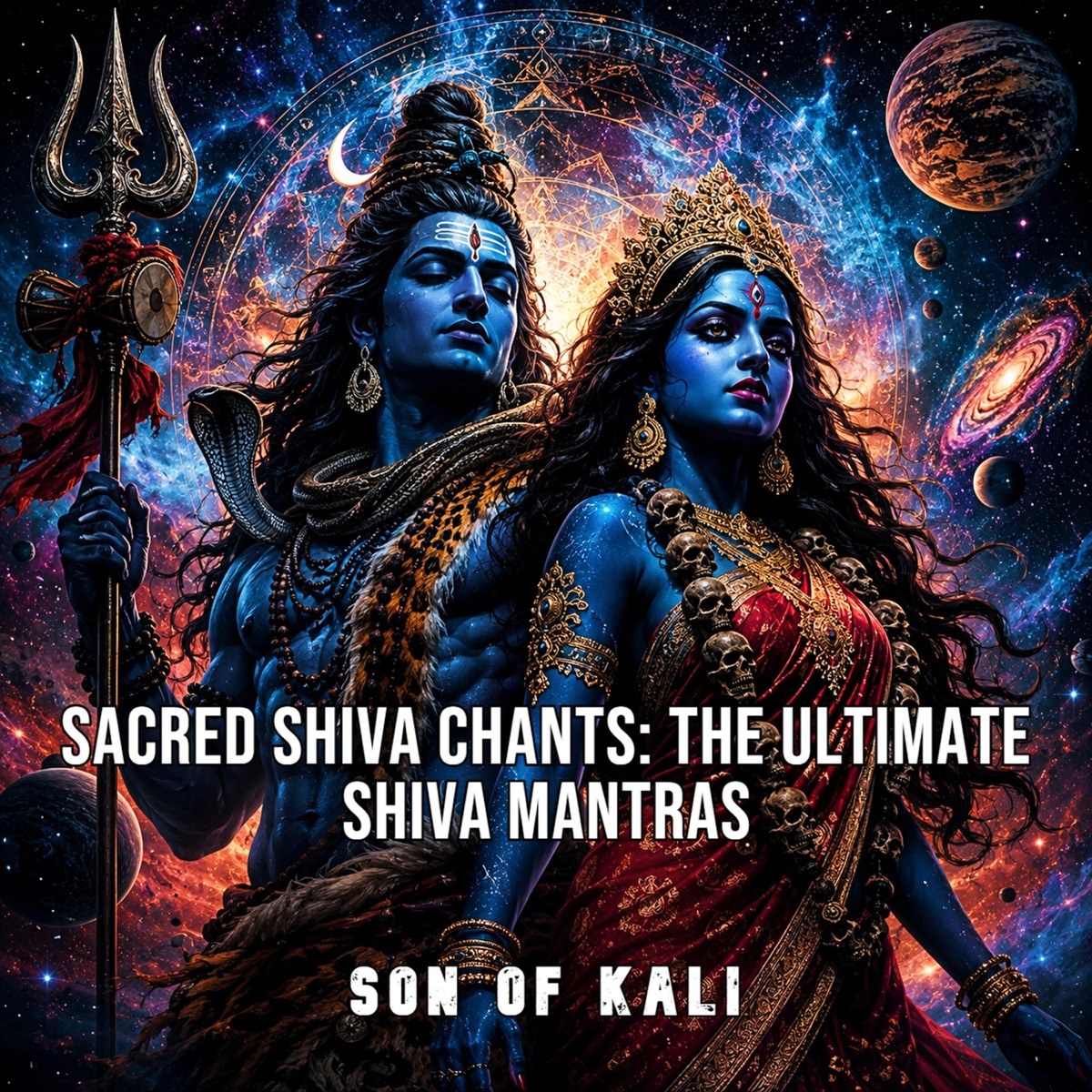
                            Sacred Shiva Chants: The Ultimate Shiva Mantras by Son of Kali

                            The music

                            Sacred Shiva Chants: The Ultimate Shiva Mantras

                            by Son of Kali

                            More for Shiva

                            Frequently Asked Questions

                            What is the Margabandhu Stotram?

                            A hymn to Shiva as “the friend on the road,” chanted for safety before travelling.

                            Who wrote it?

                            Appayya Dikshita, the 16th-century scholar and Shiva devotee from Tamil Nadu.

                            When should I chant it?

                            Before any journey, or when someone you love is travelling.

                            Text: Public-domain Sanskrit hymn by Appayya Dikshita. Easy reading, transliteration and English translation written for the Jaguar Medicine Tribe Mantra Library.

                            Music: Recordings by Son of Kali, produced with AI-assisted vocals and instrumentation.

                            Note: Benefits described here are traditional beliefs, shared for understanding — not medical or guaranteed outcomes.