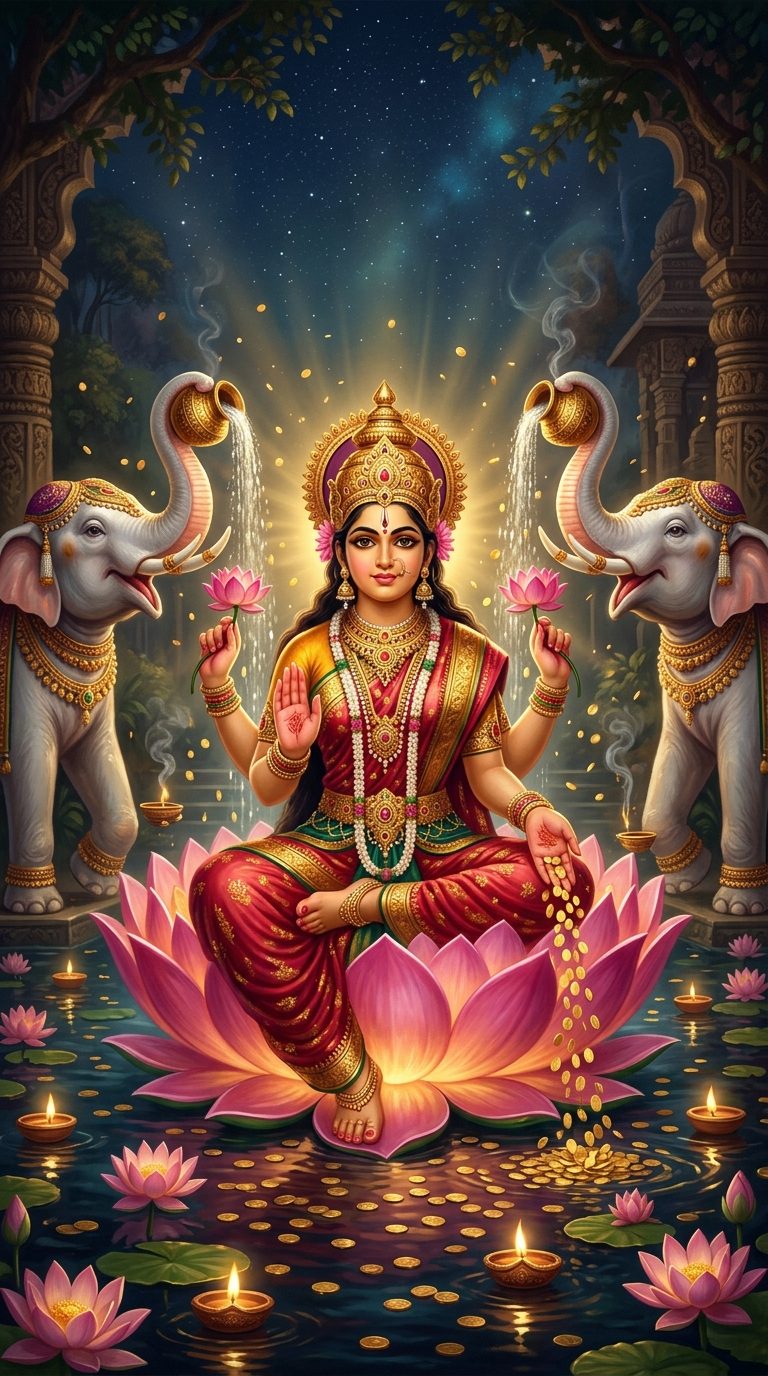
Gaja Lakshmi seated on a pink lotus in a lotus pond as two white elephants pour water over her from golden pots
LakshmiSuktam

Shree Suktam

Lyrics · Meaning · Audio

The ancient Vedic hymn to Lakshmi — fifteen verses calling the golden, lotus-seated goddess of abundance into your home, and asking misfortune to leave.

From the Khila (appendix) of the Rig Veda

Listen

Shree Suktam

Son of Kali · Mantras for Prosperity

0:006:40
Deity
Lakshmi
Type
Suktam
Verses
16
Language
Sanskrit

Shree Suktam Lyrics with Meaning

Each line shows an easy way to say it, with its English meaning. Turn on the Sanskrit, the exact pronunciation or the word-by-word meaning whenever you want to go deeper.

Verse 1

ॐ हिरण्यवर्णां हरिणीं सुवर्णरजतस्रजाम् ।

Om Hiranya Varnam Harinim Suvarna Rajata Srajam

oṃ hiraṇyavarṇāṃ hariṇīṃ suvarṇarajatasrajām

Om. Golden-hued and graceful as a doe, wearing garlands of gold and silver,

    चन्द्रां हिरण्मयीं लक्ष्मीं जातवेदो म आवह ॥ १ ॥

    Chandram Hiranmayim Lakshmim Jatavedo Ma Avaha

    candrāṃ hiraṇmayīṃ lakṣmīṃ jātavedo ma āvaha

    radiant as the moon, shining like gold — O Agni, bring that Lakshmi to me.

      Verse 2

      तां म आवह जातवेदो लक्ष्मीमनपगामिनीम् ।

      Tam Ma Avaha Jatavedo Lakshmim Anapagaminim

      tāṃ ma āvaha jātavedo lakṣmīmanapagāminīm

      O Agni, bring to me that Lakshmi who never leaves,

        यस्यां हिरण्यं विन्देयं गामश्वं पुरुषानहम् ॥ २ ॥

        Yasyam Hiranyam Vindeyam Gam Ashvam Purushan Aham

        yasyāṃ hiraṇyaṃ vindeyaṃ gāmaśvaṃ puruṣānaham

        through whom I may find gold, cattle, horses and good people around me.

          Verse 3

          अश्वपूर्वां रथमध्यां हस्तिनादप्रबोधिनीम् ।

          Ashva Purvam Ratha Madhyam Hastinada Prabodhinim

          aśvapūrvāṃ rathamadhyāṃ hastinādaprabodhinīm

          She who comes with horses before her, seated among chariots, announced by the trumpeting of elephants —

            श्रियं देवीमुपह्वये श्रीर्मा देवी जुषताम् ॥ ३ ॥

            Shriyam Devim Upahvaye Shrir Ma Devi Jushatam

            śriyaṃ devīmupahvaye śrīrmā devī juṣatām

            that goddess Shri I invite. May the goddess Shri be pleased with me.

              Verse 4

              कांसोस्मितां हिरण्यप्राकारामार्द्रां ज्वलन्तीं तृप्तां तर्पयन्तीम् ।

              Kamsosmitam Hiranya Prakaram Ardram Jvalantim Triptam Tarpayantim

              kāṃsosmitāṃ hiraṇyaprākārāmārdrāṃ jvalantīṃ tṛptāṃ tarpayantīm

              Gently smiling, dwelling within golden walls, tender with compassion, glowing, content and bringing contentment to all,

                पद्मे स्थितां पद्मवर्णां तामिहोपह्वये श्रियम् ॥ ४ ॥

                Padme Sthitam Padma Varnam Tam Ihopahvaye Shriyam

                padme sthitāṃ padmavarṇāṃ tāmihopahvaye śriyam

                seated on a lotus, lotus-coloured — that Shri I invite here.

                  Verse 5

                  चन्द्रां प्रभासां यशसा ज्वलन्तीं श्रियं लोके देवजुष्टामुदाराम् ।

                  Chandram Prabhasam Yashasa Jvalantim Shriyam Loke Deva Jushtam Udaram

                  candrāṃ prabhāsāṃ yaśasā jvalantīṃ śriyaṃ loke devajuṣṭāmudārām

                  Moon-bright and radiant, blazing with glory, Shri, beloved of the gods in this world, and generous —

                    तां पद्मिनीमीं शरणमहं प्रपद्येऽलक्ष्मीर्मे नश्यतां त्वां वृणे ॥ ५ ॥

                    Tam Padminim Im Sharanam Aham Prapadye Alakshmir Me Nashyatam Tvam Vrine

                    tāṃ padminīmīṃ śaraṇamahaṃ prapadye'lakṣmīrme naśyatāṃ tvāṃ vṛṇe

                    in her, the lotus goddess, I take refuge. May my misfortune vanish — I choose you.

                      Verse 6

                      आदित्यवर्णे तपसोऽधिजातो वनस्पतिस्तव वृक्षोऽथ बिल्वः ।

                      Aditya Varne Tapaso Dhijato Vanaspatis Tava Vriksho Tha Bilvah

                      ādityavarṇe tapaso'dhijāto vanaspatistava vṛkṣo'tha bilvaḥ

                      O sun-coloured one, born of your own power is your sacred tree, the bilva —

                        तस्य फलानि तपसा नुदन्तु मायान्तरायाश्च बाह्या अलक्ष्मीः ॥ ६ ॥

                        Tasya Phalani Tapasa Nudantu Mayantarayashcha Bahya Alakshmih

                        tasya phalāni tapasā nudantu māyāntarāyāśca bāhyā alakṣmīḥ

                        may its fruits, by that power, drive away misfortune, both within and without.

                          Verse 7

                          उपैतु मां देवसखः कीर्तिश्च मणिना सह ।

                          Upaitu Mam Deva Sakhah Kirtish Cha Manina Saha

                          upaitu māṃ devasakhaḥ kīrtiśca maṇinā saha

                          May Kubera, friend of the gods, come to me with fame and with jewels.

                            प्रादुर्भूतोऽस्मि राष्ट्रेऽस्मिन् कीर्तिमृद्धिं ददातु मे ॥ ७ ॥

                            Pradurbhuto Smi Rashtre Smin Kirtim Riddhim Dadatu Me

                            prādurbhūto'smi rāṣṭre'smin kīrtimṛddhiṃ dadātu me

                            I have been born in this land — may he grant me fame and abundance.

                              Verse 8

                              क्षुत्पिपासामलां ज्येष्ठामलक्ष्मीं नाशयाम्यहम् ।

                              Kshut Pipasa Malam Jyeshtham Alakshmim Nashayamyaham

                              kṣutpipāsāmalāṃ jyeṣṭhāmalakṣmīṃ nāśayāmyaham

                              Hunger, thirst and impurity — Alakshmi, the elder sister of misfortune — I drive away.

                                अभूतिमसमृद्धिं च सर्वान् निर्णुद मे गृहात् ॥ ८ ॥

                                Abhutim Asamriddhim Cha Sarvan Nirnuda Me Grihat

                                abhūtimasamṛddhiṃ ca sarvān nirṇuda me gṛhāt

                                Lack and want of every kind — drive them all out of my home.

                                  Verse 9

                                  गन्धद्वारां दुराधर्षां नित्यपुष्टां करीषिणीम् ।

                                  Gandha Dvaram Duradharsham Nitya Pushtam Karishinim

                                  gandhadvārāṃ durādharṣāṃ nityapuṣṭāṃ karīṣiṇīm

                                  Known through her fragrance, unconquerable, ever-nourishing, rich with the fertile wealth of the herds,

                                    ईश्वरीं सर्वभूतानां तामिहोपह्वये श्रियम् ॥ ९ ॥

                                    Ishvarim Sarva Bhutanam Tam Ihopahvaye Shriyam

                                    īśvarīṃ sarvabhūtānāṃ tāmihopahvaye śriyam

                                    queen of all beings — that Shri I invite here.

                                      Verse 10

                                      मनसः काममाकूतिं वाचः सत्यमशीमहि ।

                                      Manasah Kamam Akutim Vachah Satyam Ashimahi

                                      manasaḥ kāmamākūtiṃ vācaḥ satyamaśīmahi

                                      May we attain the wishes of our hearts, our good intentions, and truth in our speech;

                                        पशूनां रूपमन्नस्य मयि श्रीः श्रयतां यशः ॥ १० ॥

                                        Pashunam Rupam Annasya Mayi Shrih Shrayatam Yashah

                                        paśūnāṃ rūpamannasya mayi śrīḥ śrayatāṃ yaśaḥ

                                        may the beauty of herds and of food, prosperity and glory, dwell in me.

                                          Verse 11

                                          कर्दमेन प्रजा भूता मयि सम्भव कर्दम ।

                                          Kardamena Praja Bhuta Mayi Sambhava Kardama

                                          kardamena prajā bhūtā mayi sambhava kardama

                                          Through her son Kardama, Lakshmi has children — O Kardama, be born in me,

                                            श्रियं वासय मे कुले मातरं पद्ममालिनीम् ॥ ११ ॥

                                            Shriyam Vasaya Me Kule Mataram Padma Malinim

                                            śriyaṃ vāsaya me kule mātaraṃ padmamālinīm

                                            and make Shri, the mother garlanded with lotuses, live in my family.

                                              Verse 12

                                              आपः सृजन्तु स्निग्धानि चिक्लीत वस मे गृहे ।

                                              Apah Srijantu Snigdhani Chiklita Vasa Me Grihe

                                              āpaḥ sṛjantu snigdhāni ciklīta vasa me gṛhe

                                              May the waters bring forth all that is gentle and nourishing — O Chiklita, live in my home,

                                                नि च देवीं मातरं श्रियं वासय मे कुले ॥ १२ ॥

                                                Ni Cha Devim Mataram Shriyam Vasaya Me Kule

                                                ni ca devīṃ mātaraṃ śriyaṃ vāsaya me kule

                                                and make the divine mother Shri settle in my family for good.

                                                  Verse 13

                                                  आर्द्रां पुष्करिणीं पुष्टिं पिङ्गलां पद्ममालिनीम् ।

                                                  Ardram Pushkarinim Pushtim Pingalam Padma Malinim

                                                  ārdrāṃ puṣkariṇīṃ puṣṭiṃ piṅgalāṃ padmamālinīm

                                                  Fresh and tender like a lotus pond, nourishing, golden-hued, garlanded with lotuses,

                                                    चन्द्रां हिरण्मयीं लक्ष्मीं जातवेदो म आवह ॥ १३ ॥

                                                    Chandram Hiranmayim Lakshmim Jatavedo Ma Avaha

                                                    candrāṃ hiraṇmayīṃ lakṣmīṃ jātavedo ma āvaha

                                                    moon-bright and golden — O Agni, bring that Lakshmi to me.

                                                      Verse 14

                                                      आर्द्रां यः करिणीं यष्टिं सुवर्णां हेममालिनीम् ।

                                                      Ardram Yah Karinim Yashtim Suvarnam Hema Malinim

                                                      ārdrāṃ yaḥ kariṇīṃ yaṣṭiṃ suvarṇāṃ hemamālinīm

                                                      Tender and generous in giving, upright as a staff of support, golden, wearing a golden garland,

                                                        सूर्यां हिरण्मयीं लक्ष्मीं जातवेदो म आवह ॥ १४ ॥

                                                        Suryam Hiranmayim Lakshmim Jatavedo Ma Avaha

                                                        sūryāṃ hiraṇmayīṃ lakṣmīṃ jātavedo ma āvaha

                                                        radiant as the sun, shining like gold — O Agni, bring that Lakshmi to me.

                                                          Verse 15

                                                          तां म आवह जातवेदो लक्ष्मीमनपगामिनीम् ।

                                                          Tam Ma Avaha Jatavedo Lakshmim Anapagaminim

                                                          tāṃ ma āvaha jātavedo lakṣmīmanapagāminīm

                                                          O Agni, bring to me that Lakshmi who never leaves,

                                                            यस्यां हिरण्यं प्रभूतं गावो दास्योऽश्वान् विन्देयं पुरुषानहम् ॥ १५ ॥

                                                            Yasyam Hiranyam Prabhutam Gavo Dasyo Shvan Vindeyam Purushan Aham

                                                            yasyāṃ hiraṇyaṃ prabhūtaṃ gāvo dāsyo'śvān vindeyaṃ puruṣānaham

                                                            through whom I may find gold in plenty, cattle, helpers, horses and good people.

                                                              Closing verse (Phala Shruti)

                                                              यः शुचिः प्रयतो भूत्वा जुहुयादाज्यमन्वहम् ।

                                                              Yah Shuchih Prayato Bhutva Juhuyad Ajyam Anvaham

                                                              yaḥ śuciḥ prayato bhūtvā juhuyādājyamanvaham

                                                              Whoever, pure and devoted, offers ghee into the sacred fire each day,

                                                                सूक्तं पञ्चदशर्चं च श्रीकामः सततं जपेत् ॥ १६ ॥

                                                                Suktam Panchadasharcham Cha Shrikamah Satatam Japet

                                                                sūktaṃ pañcadaśarcaṃ ca śrīkāmaḥ satataṃ japet

                                                                and, longing for Shri, chants this hymn of fifteen verses constantly, will be blessed by her.

                                                                  About Shree Suktam

                                                                  The Shree Suktam is the oldest and most important hymn to Lakshmi, the goddess of abundance, beauty and good fortune. It belongs to the Khila, an ancient appendix to the Rig Veda, and has been chanted in daily worship, at Diwali and at the Lakshmi Puja for well over two thousand years.

                                                                  The hymn is addressed to Agni, the sacred fire, called here Jātavedas, “the one who knows all.” Agni is asked again and again to bring Lakshmi — golden, moon-bright, seated on a lotus, garlanded with gold and silver — into the home of the one who prays, and to make her stay. Alongside the prayer for wealth, cattle and horses (the riches of Vedic times) is a deeper wish: for truth in speech, fulfilment of good intentions, glory and a family blessed by Lakshmi.

                                                                  Just as important is what the hymn sends away. In verse 8 it drives out Alakṣmī — misfortune, hunger, thirst and lack — personified as Lakshmi’s dark elder sister. The hymn is a complete ritual of welcoming the good and clearing out the bad.
                                                                  The Stories Inside the Hymn

                                                                  Lakshmi rises from the ocean

                                                                  When the gods and demons churned the cosmic Ocean of Milk to obtain the nectar of immortality, many wonders rose from the waves. The most radiant of all was Lakshmi, standing on a fully open lotus, holding lotuses in her hands.

                                                                  Every being longed for her, but she chose Vishnu as her eternal companion. Wherever she goes, prosperity, beauty and harmony follow — and wherever she leaves, they fade. That is why the Shree Suktam asks her to come and to never leave (anapagāminī).

                                                                  Gaja Lakshmi and the elephants

                                                                  Verse 3 describes Lakshmi arriving with horses, chariots and the trumpeting of elephants. This is the image of Gaja Lakshmi, “Lakshmi with the elephants”: the goddess seated on a lotus while two elephants pour water over her from golden pots.

                                                                  The elephants are the rain clouds, the water is the monsoon, and the lotus is the fertile earth. Lakshmi’s abundance is the abundance of a living, well-watered world.

                                                                  How to Chant Shree Suktam

                                                                  When to chant

                                                                  • ✦Fridays, the day traditionally dedicated to Lakshmi
                                                                  • ✦Diwali and the Lakshmi Puja, and on full-moon days
                                                                  • ✦At the start of a new business, job or financial year
                                                                  • ✦At dusk, after lighting a lamp in the home

                                                                  How many times

                                                                  Once through is complete. Daily chanting, or 16 recitations on Fridays and festival days, is traditional.

                                                                  1. 1

                                                                    Clean the space and light a lamp or a candle — Lakshmi is welcomed into clean, bright homes.

                                                                  2. 2

                                                                    Place a lotus, a flower or a coin before an image of Lakshmi if you have one.

                                                                  3. 3

                                                                    Listen once while reading the meaning of each verse.

                                                                  4. 4

                                                                    Chant verse by verse, picturing the golden goddess entering and settling in your home.

                                                                  5. 5

                                                                    Finish by giving thanks for what you already have.

                                                                  Pronunciation Guide

                                                                  The sounds that trip people up most in this hymn, and how to say them.

                                                                  hiraṇya

                                                                  The ṇ is said with the tongue curled back: hi-run-ya.

                                                                  jātavedo

                                                                  Long “aa”: jaa-ta-vay-doh.

                                                                  lakṣmīm

                                                                  kṣ is “ksh”: luk-shmeem.

                                                                  śriyam

                                                                  “shri-yum”, with “sh”.

                                                                  ṛ — ṛddhim

                                                                  A short rolled “ri”: rid-dhim.

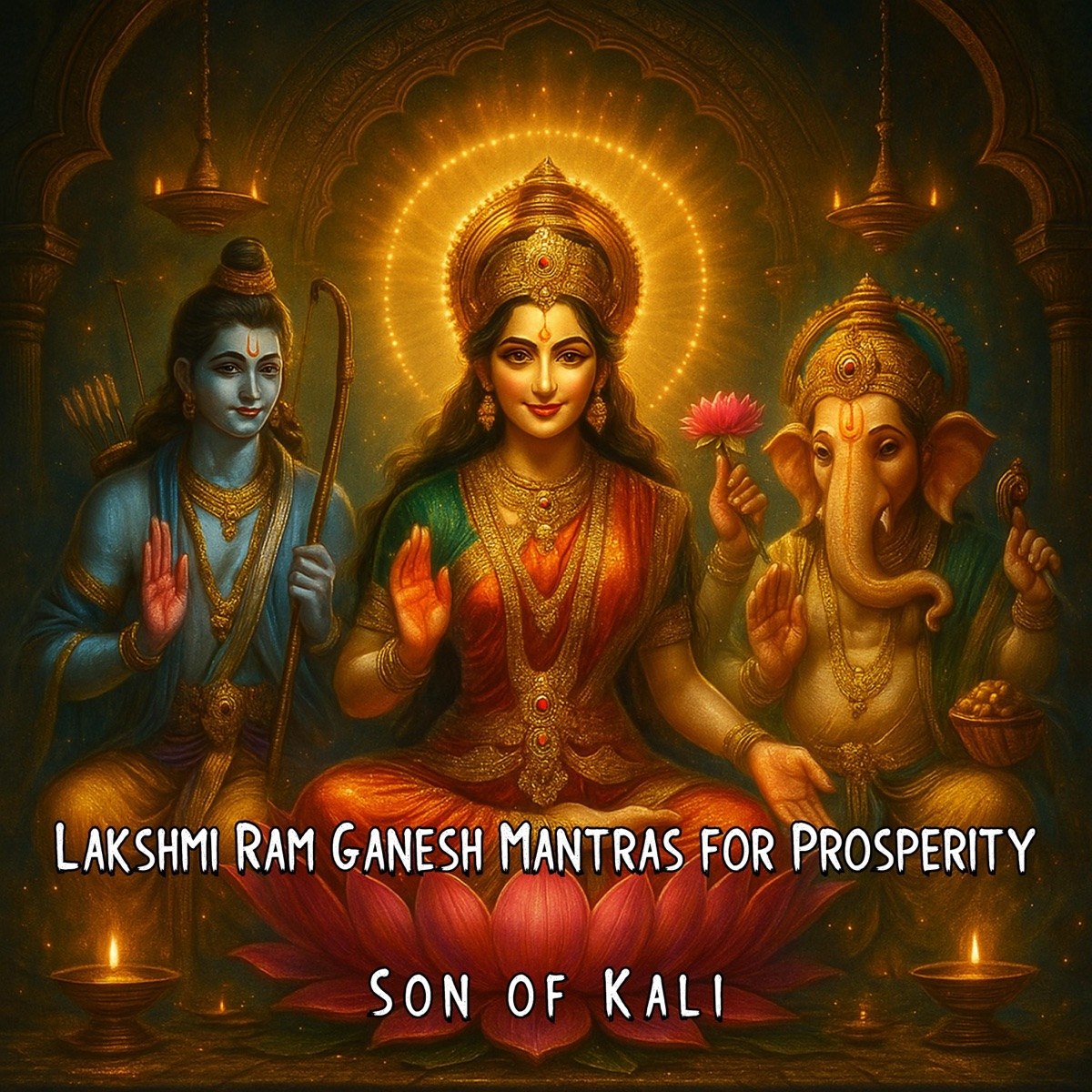
                                                                  Lakshmi Ram Ganesh Mantras for Prosperity by Son of Kali

                                                                  The music

                                                                  Lakshmi Ram Ganesh Mantras for Prosperity

                                                                  by Son of Kali

                                                                  More for Lakshmi

                                                                  Frequently Asked Questions

                                                                  What is the Shree Suktam?

                                                                  It is an ancient Vedic hymn to Lakshmi, the goddess of abundance and good fortune, found in the Khila (appendix) of the Rig Veda. It has fifteen main verses plus closing verses.

                                                                  What does Shree Suktam mean?

                                                                  Shri is another name for Lakshmi and also means prosperity, beauty and grace. Suktam means “well-spoken hymn.” So it is “the hymn to Shri.”

                                                                  What are the benefits of chanting the Shree Suktam?

                                                                  Traditionally it is chanted to invite prosperity, harmony and good fortune into the home and to remove poverty and misfortune. It also asks for truthful speech and the fulfilment of good intentions.

                                                                  When is the best time to chant the Shree Suktam?

                                                                  Fridays, full-moon days, Diwali and the Lakshmi Puja are the most traditional times, as is dusk after lighting a lamp.

                                                                  Who is Alakshmi?

                                                                  Alakshmi is the personification of misfortune, poverty and lack — described as Lakshmi’s elder sister. Verse 8 of the Shree Suktam asks for her to be driven out of the home.

                                                                  Text: Shree Suktam, Rig Veda Khila — public domain (Sanskrit Wikisource, alternate reading). Easy reading, transliteration and English translation written for the Jaguar Medicine Tribe Mantra Library.

                                                                  Music: Recordings by Son of Kali, produced with AI-assisted vocals and instrumentation.

                                                                  Note: Benefits described here are traditional beliefs, shared for understanding — not medical or guaranteed outcomes.