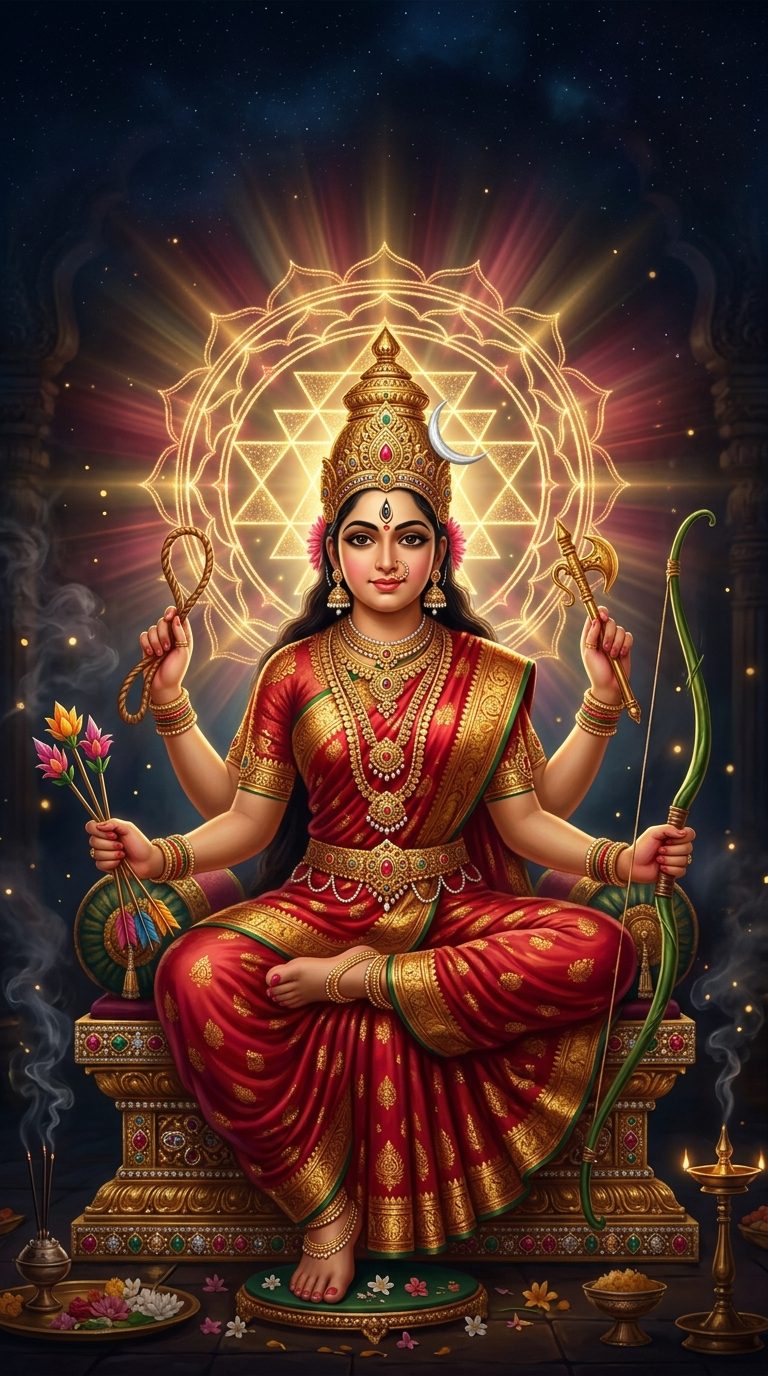
A tearful child-like devotee running into the open arms of the Divine Mother, who kneels to embrace them with forgiveness
DeviStotram

Devi Aparadha Kshamapana Stotram

Lyrics · Meaning · Audio

Shankaracharya’s tender plea to the Divine Mother for forgiveness, with one of the most famous lines in Sanskrit: “kuputro jāyeta kvacidapi kumātā na bhavati” — “a bad son may sometimes be born, but there is never a bad mother.”

Attributed to Adi Shankaracharya

Listen

Devi Aparadha Kshamapana Stotram

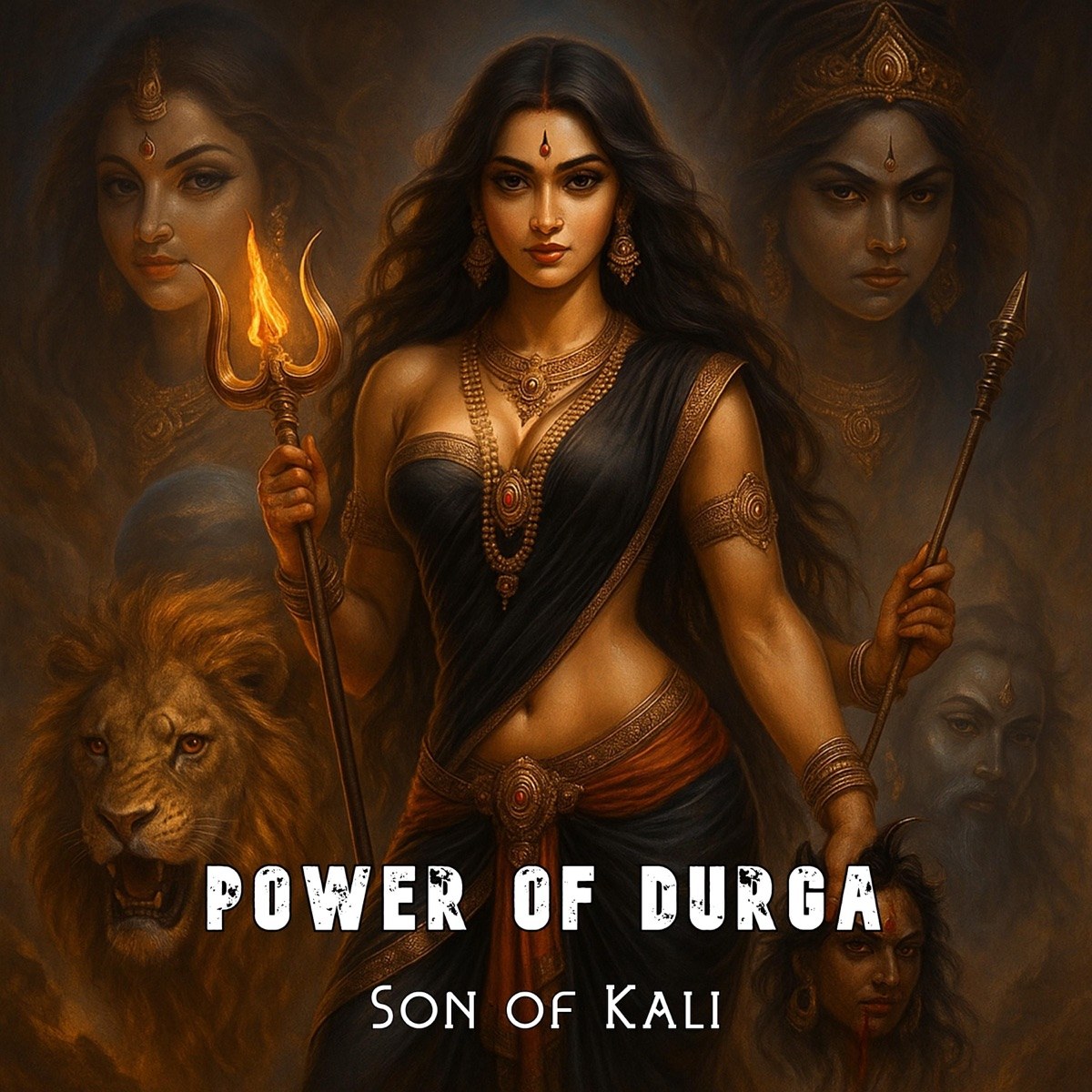
Son of Kali · Power of Durga

0:006:59
Deity
Devi
Type
Stotram
Verses
12
Language
Sanskrit

Devi Aparadha Kshamapana Stotram Lyrics with Meaning

Each line shows an easy way to say it, with its English meaning. Turn on the Sanskrit, the exact pronunciation or the word-by-word meaning whenever you want to go deeper.

Verse 1

न मन्त्रं नो यन्त्रं तदपि च न जाने स्तुतिमहो

Na Mantram No Yantram Tadapi Cha Na Jane Stutimaho

na mantraṃ no yantraṃ tadapi ca na jāne stutimaho

I know no mantra, no yantra — alas, I do not even know a hymn of praise;

    न चाह्वानं ध्यानं तदपि च न जाने स्तुतिकथाः ।

    Na Chahvanam Dhyanam Tadapi Cha Na Jane Stutikathah

    na cāhvānaṃ dhyānaṃ tadapi ca na jāne stutikathāḥ

    I know no invocation, no meditation, nor any hymns or stories about you;

      न जाने मुद्रास्ते तदपि च न जाने विलपनं

      Na Jane Mudraste Tadapi Cha Na Jane Vilapanam

      na jāne mudrāste tadapi ca na jāne vilapanaṃ

      I know none of your mudras, nor even how to cry out to you;

        परं जाने मातस्त्वदनुसरणं क्लेशहरणम् ॥ १ ॥

        Param Jane Matas Tvadanusaranam Kleshaharanam

        paraṃ jāne mātastvadanusaraṇaṃ kleśaharaṇam

        but this I know, O Mother: following you takes away all suffering.

          Verse 2

          विधेरज्ञानेन द्रविणविरहेणालसतया

          Vidher Ajnanena Dravina Virahenalasataya

          vidherajñānena draviṇaviraheṇālasatayā

          Through ignorance of the rules, through lack of money, through laziness,

            विधेयाशक्यत्वात्तव चरणयोर्या च्युतिरभूत् ।

            Vidheyashakyatvat Tava Charanayor Ya Chyutirabhut

            vidheyāśakyatvāttava caraṇayoryā cyutirabhūt

            and through being unable to do what should be done, I have failed to serve your feet;

              तदेतत्क्षन्तव्यं जननि सकलोद्धारिणि शिवे

              Tadetat Kshantavyam Janani Sakaloddharini Shive

              tadetatkṣantavyaṃ janani sakaloddhāriṇi śive

              please forgive this, O Mother, gracious one, saviour of all —

                कुपुत्रो जायेत क्वचिदपि कुमाता न भवति ॥ २ ॥

                Kuputro Jayeta Kvachidapi Kumata Na Bhavati

                kuputro jāyeta kvacidapi kumātā na bhavati

                a bad son may sometimes be born, but there is never a bad mother.

                  Verse 3

                  पृथिव्यां पुत्रास्ते जननि बहवः सन्ति सरलाः

                  Prithivyam Putraste Janani Bahavah Santi Saralah

                  pṛthivyāṃ putrāste janani bahavaḥ santi saralāḥ

                  O Mother, you have many simple, sincere children on earth;

                    परं तेषां मध्ये विरलतरलोऽहं तव सुतः ।

                    Param Tesham Madhye Viralataraloham Tava Sutah

                    paraṃ teṣāṃ madhye viralataralo'haṃ tava sutaḥ

                    but among them I am a rare, restless one;

                      मदीयोऽयं त्यागः समुचितमिदं नो तव शिवे

                      Madiyoyam Tyagah Samuchitam Idam No Tava Shive

                      madīyo'yaṃ tyāgaḥ samucitamidaṃ no tava śive

                      yet it would not be fitting, O gracious one, for you to abandon me —

                        कुपुत्रो जायेत क्वचिदपि कुमाता न भवति ॥ ३ ॥

                        Kuputro Jayeta Kvachidapi Kumata Na Bhavati

                        kuputro jāyeta kvacidapi kumātā na bhavati

                        a bad son may sometimes be born, but there is never a bad mother.

                          Verse 4

                          जगन्मातर्मातस्तव चरणसेवा न रचिता

                          Jaganmatar Matas Tava Charanaseva Na Rachita

                          jaganmātarmātastava caraṇasevā na racitā

                          O Mother of the world, O Mother, I have not served your feet,

                            न वा दत्तं देवि द्रविणमपि भूयस्तव मया ।

                            Na Va Dattam Devi Dravinamapi Bhuyas Tava Maya

                            na vā dattaṃ devi draviṇamapi bhūyastava mayā

                            nor given you much wealth, O Goddess;

                              तथापि त्वं स्नेहं मयि निरुपमं यत्प्रकुरुषे

                              Tathapi Tvam Sneham Mayi Nirupamam Yat Prakurushe

                              tathāpi tvaṃ snehaṃ mayi nirupamaṃ yatprakuruṣe

                              and yet you shower me with matchless love —

                                कुपुत्रो जायेत क्वचिदपि कुमाता न भवति ॥ ४ ॥

                                Kuputro Jayeta Kvachidapi Kumata Na Bhavati

                                kuputro jāyeta kvacidapi kumātā na bhavati

                                a bad son may sometimes be born, but there is never a bad mother.

                                  Verse 5

                                  परित्यक्ता देवा विविधविधसेवाकुलतया

                                  Parityakta Deva Vividha Vidha Sevakulataya

                                  parityaktā devā vividhavidhasevākulatayā

                                  Weary of serving them in so many different ways, I have given up all the other gods,

                                    मया पञ्चाशीतेरधिकमपनीते तु वयसि ।

                                    Maya Panchashiteradhikam Apanite Tu Vayasi

                                    mayā pañcāśīteradhikamapanīte tu vayasi

                                    now that I am past eighty-five years of age.

                                      इदानीं चेन्मातस्तव यदि कृपा नापि भविता

                                      Idanim Chen Matas Tava Yadi Kripa Napi Bhavita

                                      idānīṃ cenmātastava yadi kṛpā nāpi bhavitā

                                      If now, O Mother, I do not receive your grace,

                                        निरालम्बो लम्बोदरजननि कं यामि शरणम् ॥ ५ ॥

                                        Niralambo Lambodara Janani Kam Yami Sharanam

                                        nirālambo lambodarajanani kaṃ yāmi śaraṇam

                                        where can I, with no support, go for refuge, O mother of Ganesha?

                                          Verse 6

                                          श्वपाको जल्पाको भवति मधुपाकोपमगिरा

                                          Shvapako Jalpako Bhavati Madhupakopamagira

                                          śvapāko jalpāko bhavati madhupākopamagirā

                                          An outcaste becomes a speaker whose words are sweet as honey,

                                            निरातङ्को रङ्को विहरति चिरं कोटिकनकैः ।

                                            Niratanko Ranko Viharati Chiram Kotikanakaih

                                            nirātaṅko raṅko viharati ciraṃ koṭikanakaiḥ

                                            and a pauper lives long and fearless with millions in gold,

                                              तवापर्णे कर्णे विशति मनुवर्णे फलमिदं

                                              Tavaparne Karne Vishati Manuvarne Phalamidam

                                              tavāparṇe karṇe viśati manuvarṇe phalamidaṃ

                                              O Aparna, when even a syllable of your mantra enters the ear — such is its fruit;

                                                जनः को जानीते जननि जपनीयं जपविधौ ॥ ६ ॥

                                                Janah Ko Janite Janani Japaniyam Japavidhau

                                                janaḥ ko jānīte janani japanīyaṃ japavidhau

                                                then who, O Mother, can know what comes from repeating it properly?

                                                  Verse 7

                                                  चिताभस्मालेपो गरलमशनं दिक्पटधरो

                                                  Chitabhasmalepo Garalamashanam Dikpatadharo

                                                  citābhasmālepo garalamaśanaṃ dikpaṭadharo

                                                  Smeared with pyre ash, eating poison, clothed only by the sky,

                                                    जटाधारी कण्ठे भुजगपतिहारी पशुपतिः ।

                                                    Jatadhari Kanthe Bhujagapatihari Pashupatih

                                                    jaṭādhārī kaṇṭhe bhujagapatihārī paśupatiḥ

                                                    matted-haired, with the serpent king around his neck,

                                                      कपाली भूतेशो भजति जगदीशैकपदवीं

                                                      Kapali Bhutesho Bhajati Jagadishaikapadavim

                                                      kapālī bhūteśo bhajati jagadīśaikapadavīṃ

                                                      carrying a skull, lord of ghosts — yet Pashupati holds the title “Lord of the world”:

                                                        भवानि त्वत्पाणिग्रहणपरिपाटीफलमिदम् ॥ ७ ॥

                                                        Bhavani Tvat Panigrahana Paripati Phalamidam

                                                        bhavāni tvatpāṇigrahaṇaparipāṭīphalamidam

                                                        O Bhavani, this is only the fruit of his having taken your hand in marriage.

                                                          Verse 8

                                                          न मोक्षस्याकाङ्क्षा भवविभववाञ्छापि च न मे

                                                          Na Mokshasyakanksha Bhava Vibhava Vanchhapi Cha Na Me

                                                          na mokṣasyākāṅkṣā bhavavibhavavāñchāpi ca na me

                                                          I have no longing for liberation, nor any desire for worldly riches;

                                                            न विज्ञानापेक्षा शशिमुखि सुखेच्छापि न पुनः ।

                                                            Na Vijnanapeksha Shashimukhi Sukhecchapi Na Punah

                                                            na vijñānāpekṣā śaśimukhi sukhecchāpi na punaḥ

                                                            O moon-faced one, I seek no special knowledge, nor even happiness;

                                                              अतस्त्वां संयाचे जननि जननं यातु मम वै

                                                              Atas Tvam Samyache Janani Jananam Yatu Mama Vai

                                                              atastvāṃ saṃyāce janani jananaṃ yātu mama vai

                                                              so I ask you only this, O Mother: let my life pass by

                                                                मृडानी रुद्राणी शिव शिव भवानीति जपतः ॥ ८ ॥

                                                                Mridani Rudrani Shiva Shiva Bhavaniti Japatah

                                                                mṛḍānī rudrāṇī śiva śiva bhavānīti japataḥ

                                                                chanting “Mridani, Rudrani, Shivaa, Shivaa, Bhavani.”

                                                                  Verse 9

                                                                  नाराधितासि विधिना विविधोपचारैः

                                                                  Naradhitasi Vidhina Vividhopacharaih

                                                                  nārādhitāsi vidhinā vividhopacāraiḥ

                                                                  I have not worshipped you properly with all the many offerings;

                                                                    किं रुक्षचिन्तनपरैर्न कृतं वचोभिः ।

                                                                    Kim Rukshachintanaparair Na Kritam Vachobhih

                                                                    kiṃ rukṣacintanaparairna kṛtaṃ vacobhiḥ

                                                                    what harsh thoughts and words have I not committed?

                                                                      श्यामे त्वमेव यदि किञ्चन मय्यनाथे

                                                                      Shyame Tvameva Yadi Kinchana Mayyanathe

                                                                      śyāme tvameva yadi kiñcana mayyanāthe

                                                                      O dark one, if you show even a little grace to me, who have no protector,

                                                                        धत्से कृपामुचितमम्ब परं तवैव ॥ ९ ॥

                                                                        Dhatse Kripam Uchitamamba Param Tavaiva

                                                                        dhatse kṛpāmucitamamba paraṃ tavaiva

                                                                        it is only fitting for you, O Mother — and entirely your own goodness.

                                                                          Verse 10

                                                                          आपत्सु मग्नः स्मरणं त्वदीयं

                                                                          Apatsu Magnah Smaranam Tvadiyam

                                                                          āpatsu magnaḥ smaraṇaṃ tvadīyaṃ

                                                                          When I am sunk in troubles, I remember you,

                                                                            करोमि दुर्गे करुणार्णवेशि ।

                                                                            Karomi Durge Karunarnaveshi

                                                                            karomi durge karuṇārṇaveśi

                                                                            O Durga, queen of the ocean of compassion;

                                                                              नैतच्छठत्वं मम भावयेथाः

                                                                              Naitacchathatvam Mama Bhavayethah

                                                                              naitacchaṭhatvaṃ mama bhāvayethāḥ

                                                                              please don’t think of this as cunning on my part —

                                                                                क्षुधातृषार्ता जननीं स्मरन्ति ॥ १० ॥

                                                                                Kshudha Trishartah Jananim Smaranti

                                                                                kṣudhātṛṣārtā jananīṃ smaranti

                                                                                children who are hungry and thirsty always call for their mother.

                                                                                  Verse 11

                                                                                  जगदम्ब विचित्रमत्र किं परिपूर्णा करुणास्ति चेन्मयि ।

                                                                                  Jagadamba Vichitramatra Kim Paripurna Karunasti Chenmayi

                                                                                  jagadamba vicitramatra kiṃ paripūrṇā karuṇāsti cenmayi

                                                                                  O Mother of the world, what is surprising if your compassion for me is complete?

                                                                                    अपराधपरम्परापरं न हि माता समुपेक्षते सुतम् ॥ ११ ॥

                                                                                    Aparadha Paramparaparam Na Hi Mata Samupekshate Sutam

                                                                                    aparādhaparamparāparaṃ na hi mātā samupekṣate sutam

                                                                                    a mother never abandons her child, however long the line of his faults.

                                                                                      Verse 12

                                                                                      मत्समः पातकी नास्ति पापघ्नी त्वत्समा न हि ।

                                                                                      Matsamah Pataki Nasti Papaghni Tvatsama Na Hi

                                                                                      matsamaḥ pātakī nāsti pāpaghnī tvatsamā na hi

                                                                                      There is no sinner like me, and no destroyer of sin like you;

                                                                                        एवं ज्ञात्वा महादेवि यथायोग्यं तथा कुरु ॥ १२ ॥

                                                                                        Evam Jnatva Mahadevi Yathayogyam Tatha Kuru

                                                                                        evaṃ jñātvā mahādevi yathāyogyaṃ tathā kuru

                                                                                        knowing this, O great Goddess, do whatever is fitting.

                                                                                          About Devi Aparadha Kshamapana Stotram

                                                                                          This hymn, attributed to Adi Shankaracharya, is a child’s apology to its mother. “I know no mantra, no yantra, no hymn, no meditation, no mudra, not even how to cry out to you properly — I only know that following you takes away all suffering.”

                                                                                          Its refrain is unforgettable: kuputro jāyeta kvacidapi kumātā na bhavati — “a bad son may be born, but a bad mother never is.” The singer does not argue that they deserve forgiveness; they simply trust that a mother forgives.

                                                                                          Later verses are full of warmth and humour: the singer admits to abandoning every other god after the age of eighty-five, and notes that Shiva — ash-smeared, poison-eating, sky-clad — owes all his glory to having married her. It is traditionally recited at the end of Devi worship, to ask forgiveness for any mistakes.

                                                                                          The Stories Inside the Hymn

                                                                                          The mother who never turns away

                                                                                          Verse 10 compares the devotee to a hungry, thirsty child: when in trouble I remember you, O Durga — please don’t think of it as cunning; hungry, thirsty children always call for their mother.

                                                                                          The whole hymn rests on that ordinary human truth, turned towards the Divine.

                                                                                          How to Chant Devi Aparadha Kshamapana Stotram

                                                                                          When to chant

                                                                                          • ✦At the end of Devi puja or Navaratri worship
                                                                                          • ✦After reading the Durga Saptashati
                                                                                          • ✦Fridays
                                                                                          • ✦Whenever you feel you have failed

                                                                                          How many times

                                                                                          Once.

                                                                                          1. 1

                                                                                            Sit before an image of the Divine Mother.

                                                                                          2. 2

                                                                                            Chant slowly, as a child speaking to its mother.

                                                                                          3. 3

                                                                                            Let the refrain soften any guilt into trust.

                                                                                          4. 4

                                                                                            End with a bow, offering any mistakes in your worship to her.

                                                                                          Pronunciation Guide

                                                                                          The sounds that trip people up most in this hymn, and how to say them.

                                                                                          kuputro

                                                                                          ku-pu-tro — “a bad son.”

                                                                                          kumātā

                                                                                          ku-maa-taa — “a bad mother.”

                                                                                          kṣantavyaṃ

                                                                                          kshun-tuv-yum — “to be forgiven.”

                                                                                          Power of Durga by Son of Kali

                                                                                          The music

                                                                                          Power of Durga

                                                                                          by Son of Kali

                                                                                          More for Devi

                                                                                          Frequently Asked Questions

                                                                                          What does Kuputro Jayeta Kvachidapi Kumata Na Bhavati mean?

                                                                                          “A bad son may sometimes be born, but there is never a bad mother.”

                                                                                          Who wrote it?

                                                                                          It is traditionally attributed to Adi Shankaracharya.

                                                                                          When is it chanted?

                                                                                          At the end of worship of the Goddess, to ask forgiveness for any mistakes, especially after the Durga Saptashati or during Navaratri.

                                                                                          Text: Traditional public-domain Sanskrit hymn. Easy reading, transliteration and English translation written for the Jaguar Medicine Tribe Mantra Library.

                                                                                          Music: Recordings by Son of Kali, produced with AI-assisted vocals and instrumentation.

                                                                                          Note: Benefits described here are traditional beliefs, shared for understanding — not medical or guaranteed outcomes.