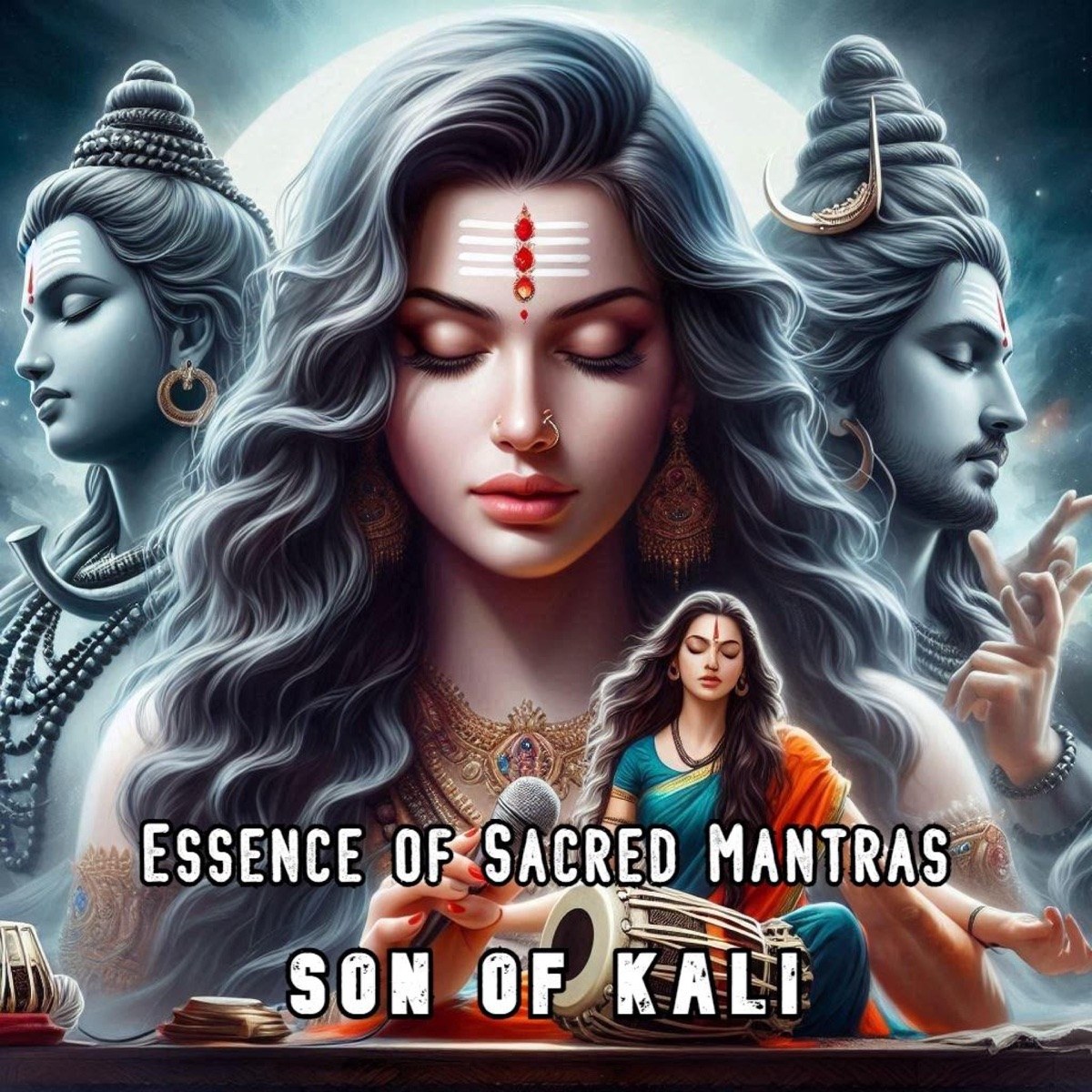
The beloved prayer for the whole world — “May all beings everywhere be happy and free” — chanted at the end of yoga classes, kirtans and pujas across the globe.
Traditional closing prayer (mangala shloka)
Listen
Lokah Samastah Sukhino Bhavantu
Son of Kali · Essence of Sacred Mantras
0:006:54
Deity
Vedic & Peace
Type
Mantra
Verses
1
Language
Sanskrit
LokahSamastahSukhinoBhavantuLyricswithMeaning
Each line shows an easy way to say it, with its English meaning. Turn on the Sanskrit, the exact pronunciation or the word-by-word meaning whenever you want to go deeper.
The Prayer
ॐ स्वस्ति प्रजाभ्यः परिपालयन्तां
Om Svasti Prajabhyah Paripalayantam
oṃ svasti prajābhyaḥ paripālayantāṃ
Om — may there be well-being for all people;
न्यायेन मार्गेण महीं महीशाः ।
Nyayena Margena Mahim Mahishah
nyāyena mārgeṇa mahīṃ mahīśāḥ
may those who rule protect the earth by the path of justice.
गोब्राह्मणेभ्यः शुभमस्तु नित्यं
Go Brahmanebhyah Shubham Astu Nityam
gobrāhmaṇebhyaḥ śubhamastu nityaṃ
May there always be goodness for the cows and for the wise,
लोकाः समस्ताः सुखिनो भवन्तु ॥
Lokah Samastah Sukhino Bhavantu
lokāḥ samastāḥ sukhino bhavantu
and may all beings in all the worlds be happy.
✦ ✦ ✦
AboutLokahSamastahSukhinoBhavantu
Lokah samastah sukhino bhavantu is one of the most widely chanted Sanskrit lines in the world. It means simply: “may all the worlds, all beings everywhere, be happy.” It closes countless yoga classes, kirtans, meditation sessions and Hindu ceremonies, sending the good of the practice outward to everyone.
The famous line is the end of a longer traditional verse, a maṅgala śloka or prayer of blessing. The full verse asks for the well-being of all people, for rulers to govern the earth justly, and for goodness towards cows and the learned — the protectors of nourishment and knowledge — before ending with the universal wish for all beings to be happy.
Its power lies in its unselfishness. It asks for nothing for oneself. Many teachers say it is the natural fruit of any spiritual practice: once you have found some peace, you wish it for everyone.
✦ ✦ ✦
TheStoriesInsidetheHymn
Aprayerthatincludeseveryone
Loka means world or realm, and samastāḥ means all, without exception. In Hindu thought there are many worlds and many kinds of beings — humans, animals, plants, spirits, gods.
The prayer leaves no one out: not only friends and family, not only humans, but every being in every world, seen and unseen.
Wishingwellasapractice
Many traditions teach that wishing happiness for others — even for those we find difficult — gently softens the heart. Chanting this line at the end of a practice turns a private moment of calm into a gift to the world.
It is a small, daily act of compassion that anyone can do, anywhere.
✦ ✦ ✦
HowtoChantLokahSamastahSukhinoBhavantu
When to chant
✦At the end of yoga, meditation or kirtan
✦At the close of a puja or prayer
✦Before sleep, sending good wishes to the world
✦In times of conflict or bad news, as a prayer for peace
How many times
Usually three times, often followed by Om shanti shanti shanti.
1
Sit comfortably, hands in your lap or in prayer position.
2
Bring to mind someone you love, then someone you don’t know, then the whole world.
3
Chant the verse along with the recording.
4
Repeat the final line three times, each time picturing the circle of beings growing wider.
5
End with a moment of quiet.
✦ ✦ ✦
PronunciationGuide
The sounds that trip people up most in this hymn, and how to say them.
“May all beings in all the worlds be happy.” Lokah means worlds or beings, samastah means all, sukhino means happy, and bhavantu means may they be.
Wheredoesitcomefrom?
It is the closing line of a traditional Sanskrit blessing verse (mangala shloka) beginning “svasti prajabhyah,” used in Hindu worship for centuries. Its exact original source is uncertain.
Whyisitchantedattheendofyogaclasses?
It dedicates the benefits of the practice to everyone, turning personal peace into a wish for the well-being of the whole world.
Isitareligiousmantra?
It comes from the Hindu tradition, but its message — a wish for the happiness of all beings — is universal, and people of many backgrounds chant it.