Sacred Courses ยท Jaguar Medicine Tribe

Shadow Work

The Jaguar's Way

Six gates of Jungian depth psychology and Q'ero jaguar medicine โ€” projection, the body's shadow, the golden shadow, dreams, and the integration that changes everything.

Six gates. The jaguar walks with you.

๐Ÿ†

The Jaguar's Way

The jaguar does not fight the darkness. It walks into the dark as its natural home and finds there what others could not see. This course walks the same path โ€” six gates into the interior, each one asking you to look a little further than before.

Your Shadow Journal at each gate saves privately on this device. The quiz tests your understanding before moving on. Gate 7 is the Jaguar's Trial โ€” twenty questions across all six gates.

Or choose any gate from the list above
Gate 1 of 6

๐Ÿชž

The Hidden Self

What the shadow actually is

โœฆ โœฆ โœฆ

Carl Jung and the Discovery of the Shadow

Carl Jung was the first modern psychologist to give the shadow its name and map its territory with precision. Working from thousands of hours of patient material and decades of his own self-analysis, Jung identified a consistent pattern in the human psyche: everything we cannot accept about ourselves does not disappear. It goes underground. It forms a secondary self โ€” coherent, organised, and operating with as much energy and influence as the conscious personality, but entirely out of sight. He called this the shadow.

The shadow is not the evil dimension of the self, though that is the most common misunderstanding. It is the unlived dimension. It contains everything that was too dangerous, too shaming, too big, or too threatening to the early self-image to be consciously owned: rage in a household where anger was punished, desire in an environment where wanting was considered selfish, sensitivity in a culture that rewarded hardness, creativity in a family that valued conformity. These qualities did not die. They simply moved to where they could not be seen โ€” by others, and eventually by the person who carries them.

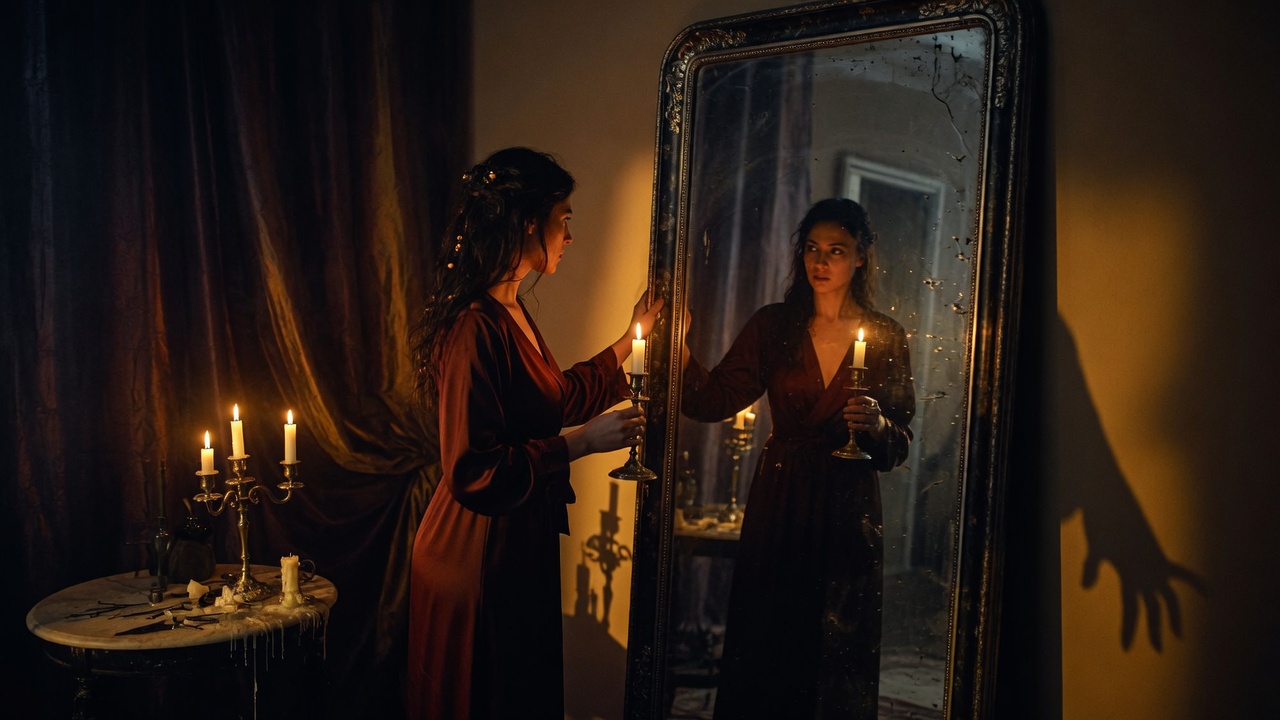
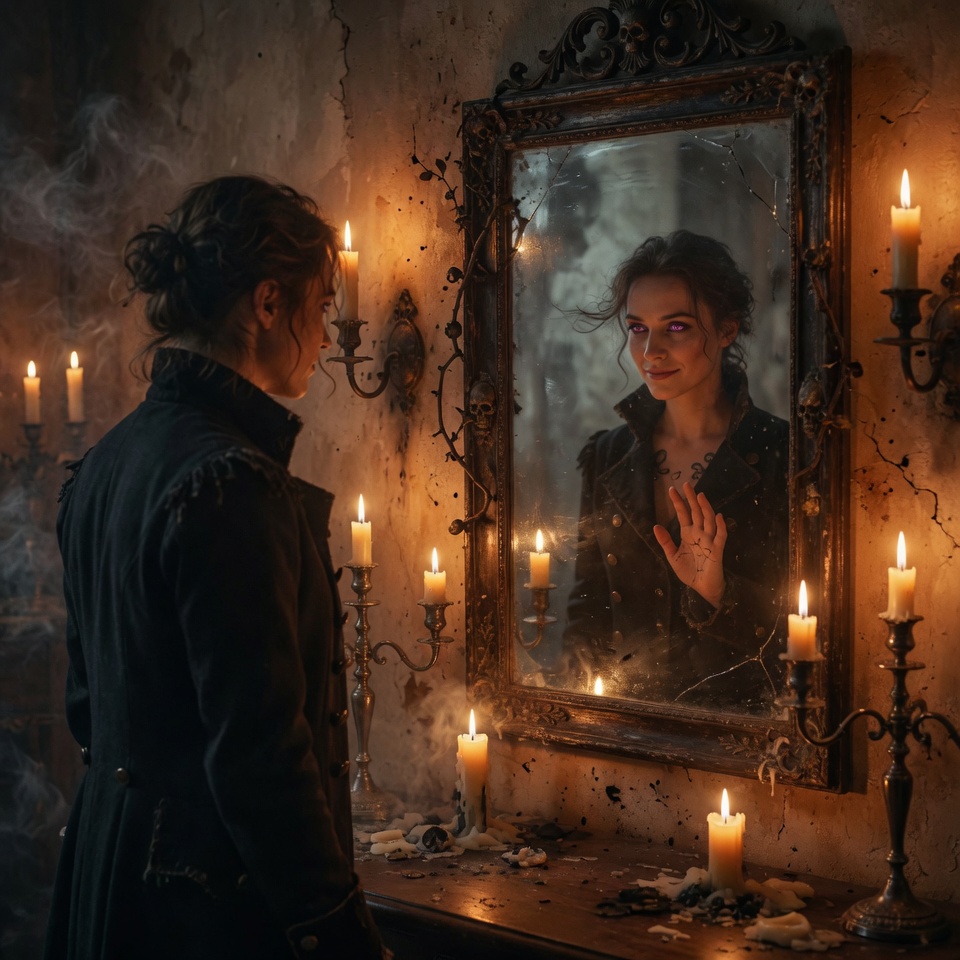
A figure before a mirror in candlelight, the reflection slightly different โ€” the shadow made visible

The Shamanic Understanding โ€” Jaguar Medicine

In Q'ero shamanic tradition, the shadow is the domain of the West โ€” the direction held by Otorongo the Jaguar. The jaguar does not fear the dark. It is the apex predator of the jungle night, moving through absolute darkness with complete confidence, reading what others cannot see. The jaguar's medicine for the shadow is not to eliminate it or to transcend it, but to inhabit the dark the way the jaguar does โ€” without flinching, with full presence, with the understanding that what lives in the darkness is not the enemy.

The shamanic and the Jungian understanding of the shadow arrive at the same place from different traditions: the shadow is not a problem to be solved. It is a teacher to be met. The Lakota speak of the dark twin that walks beside every person. Sufi poetry describes the nafs โ€” the ego-self and its shadows โ€” as the primary site of the spiritual journey. Every tradition that has gone deep enough has found the same figure waiting in the darkness, and has arrived at the same surprising conclusion: it is carrying something you need.

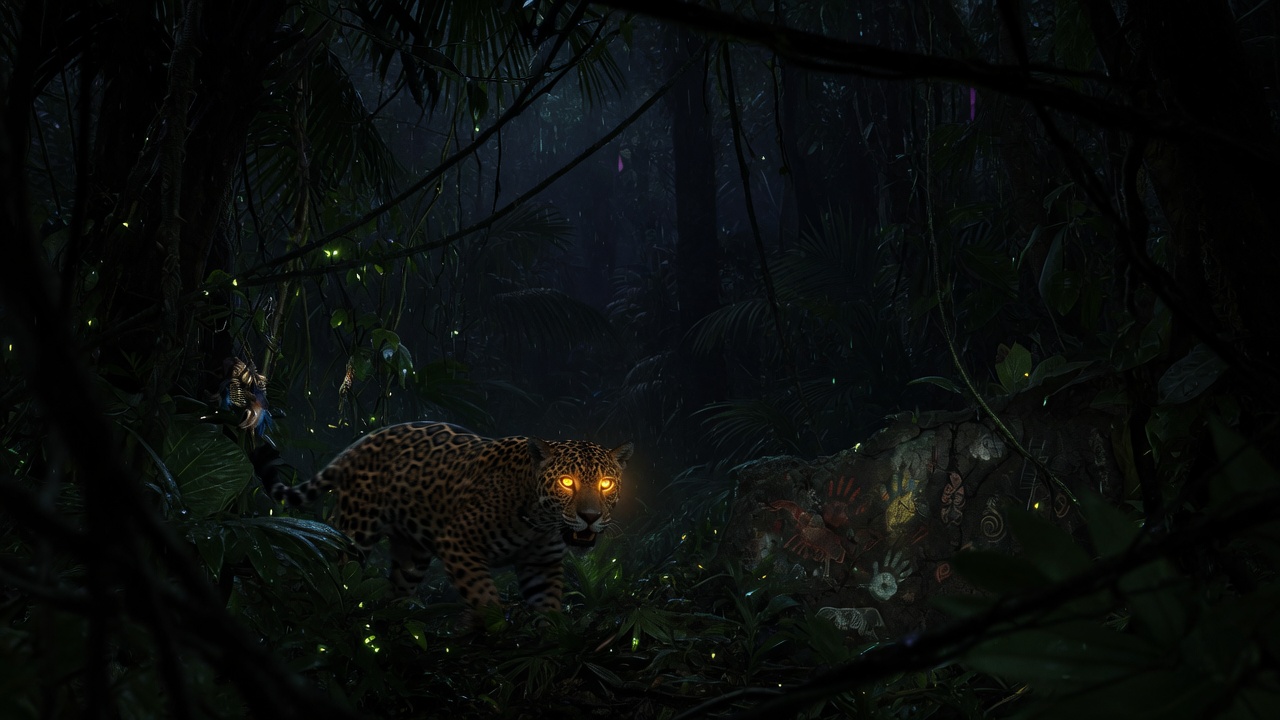
A jaguar moving through jungle darkness โ€” the shamanic guide into shadow territory

Why Shadow Work Is Not Optional

The shadow does not stay quietly in its place. What is pushed out of conscious awareness does not stop operating โ€” it simply operates from a position where it cannot be questioned or redirected. The clinical term is projection: we reliably see in others what we cannot see in ourselves. The rage we will not own in ourselves becomes a rage we feel toward people who express anger openly. The vulnerability we have suppressed becomes an irritation at people who show need. The shadow writes itself on the world around us because it has no other outlet.

Shadow work is not optional because the shadow is already working โ€” on your relationships, your responses, your patterns, your ceilings. The only question is whether it does this work unconsciously, without your participation, or consciously, with your full engagement. The jaguar's medicine begins with this recognition: the darkness is already there. The choice is only whether to walk into it with awareness or to keep stumbling in it without knowing you are there.

โœฆ โœฆ โœฆ

Your Practice

The First Inventory

Open your Shadow Journal and write at the top: 'What I have been told I should not be.' Give yourself ten unedited minutes. Include the direct messages โ€” 'you are too much,' 'don't be so sensitive,' 'stop showing off' โ€” and the indirect ones: the looks, the silences, the things that were never mentioned because they were too uncomfortable. These are the first entries in your shadow inventory. You are not analysing yet. You are simply listing what went underground and when. Write until nothing more wants to come, then close the journal and sit with what you have written for two minutes without reacting to it.

Hold this in ceremony

โ€œWhat am I carrying that I was told had no place here?โ€

๐ŸŒ‘

The shadow is most accessible at the dark moon โ€” the three nights before the new moon when the sky is completely dark. This is the jaguar's hour. If you are beginning this course, note where the moon is. The dark moon is your most powerful time to enter this work.

Gate 1 ยท Knowledge Test

5 Questions

Test your understanding before moving on.

1. In Jungian psychology, the shadow is best described as:

2. What direction in the Peruvian medicine wheel holds the shadow, and which animal keeps it?

3. According to Gate 1, how does the shadow primarily manifest in daily life when it remains unconscious?

4. What does the jaguar's way of moving through darkness teach about shadow work?

5. Why does Gate 1 say shadow work is 'not optional'?

Gate 1 ยท Shadow Journal

Private ยท Saved on this device only

๐Ÿชž

Continue the journey