
Breath is the one part of your nervous system you can steer on purpose. Speed it up and you tell your body to get ready. Slow it down — especially the exhale — and you tell it it's safe. Every technique in this course is a variation on that simple lever.
The Exhale Is The Brake
When you breathe in, your heart rate rises slightly. When you breathe out, it falls. This rhythm, called respiratory sinus arrhythmia, is normal and healthy — and it means you can nudge your heart and nervous system just by changing the ratio of inhale to exhale. Longer exhales lean towards calm. Longer or sharper inhales lean towards alertness.
That's why almost every calming technique has a long exhale, and every energising one has a strong inhale or a fast rhythm. Once you understand this, you can adjust any practice to what you need in the moment.
Breathe Through Your Nose
The nose filters, warms and humidifies air, and it naturally slows the breath down. Mouth breathing at rest tends to be faster and higher in the chest, which keeps the body in a mild state of alert. For all the practices in this course, breathe in through the nose unless a lesson says otherwise.
If your nose feels blocked, it often clears after a few minutes of gentle nose breathing. Long term, simply noticing when you're mouth breathing during the day — at a screen, walking, falling asleep — and gently closing your mouth is one of the most useful breath habits you can build.
Low And Slow — The Diaphragm
Put one hand on your chest and one on your belly. Breathe normally. If the top hand moves more, you're breathing high in the chest. Diaphragmatic breathing moves the lower hand first: the belly and lower ribs widen on the inhale and soften on the exhale, while the chest stays fairly still.
Don't force a big belly breath. Think of the lower ribs widening sideways, like an umbrella opening. Quiet, low, slow breathing is the foundation for every other lesson — and the thing your control pause will reflect over time.
The practice · 8 minutes
Baseline And Low-Slow Breathing
- 1Sit upright and breathe normally through your nose for one minute.
- 2Take your control pause with the tracker on the course page. Write it down — this is your baseline.
- 3Place one hand on your chest and one on your belly. Breathe so the lower hand moves more than the top one.
- 4Start the pacer below: in through the nose for 4 seconds, out through the nose for 6.
- 5Keep the breath quiet — if someone sat next to you, they shouldn't hear it.
- 6When the pacer finishes, sit for 30 seconds and notice any change in your body.
Coming back to it: Over the week, try three minutes of low-slow breathing at moments you'd normally pick up your phone. Retake the control pause in seven days.
Guided pacer
Low & slow (4 in · 6 out)
In 4s · out 6s · 12 rounds
Ready
Sit upright, shoulders soft, breathe through the nose.
Journal prompts
- “What was my control pause today, and how did the first breath afterwards feel?”
- “When during the day do I notice myself mouth breathing?”
- “How did my body feel after two minutes of slow exhales?”
Saved privately on this device. Come back tomorrow and log it again.
Check Your Understanding
3 quick questions. Retake it any time.
1. Which part of the breath leans the nervous system towards calm?
2. Why does the course use nose breathing for most practices?
3. In diaphragmatic breathing, what moves first?
Go deeper on the site
Keep Practising With Our Free Apps
Everything here is free, with no signup.

Breathwork Timer
A full-screen guided breathing timer with preset patterns. Keep it open for your daily practice.
Open the timer →
Meditation Timer
A calm timer with gentle bells for sitting after your breathwork.
Start a sit →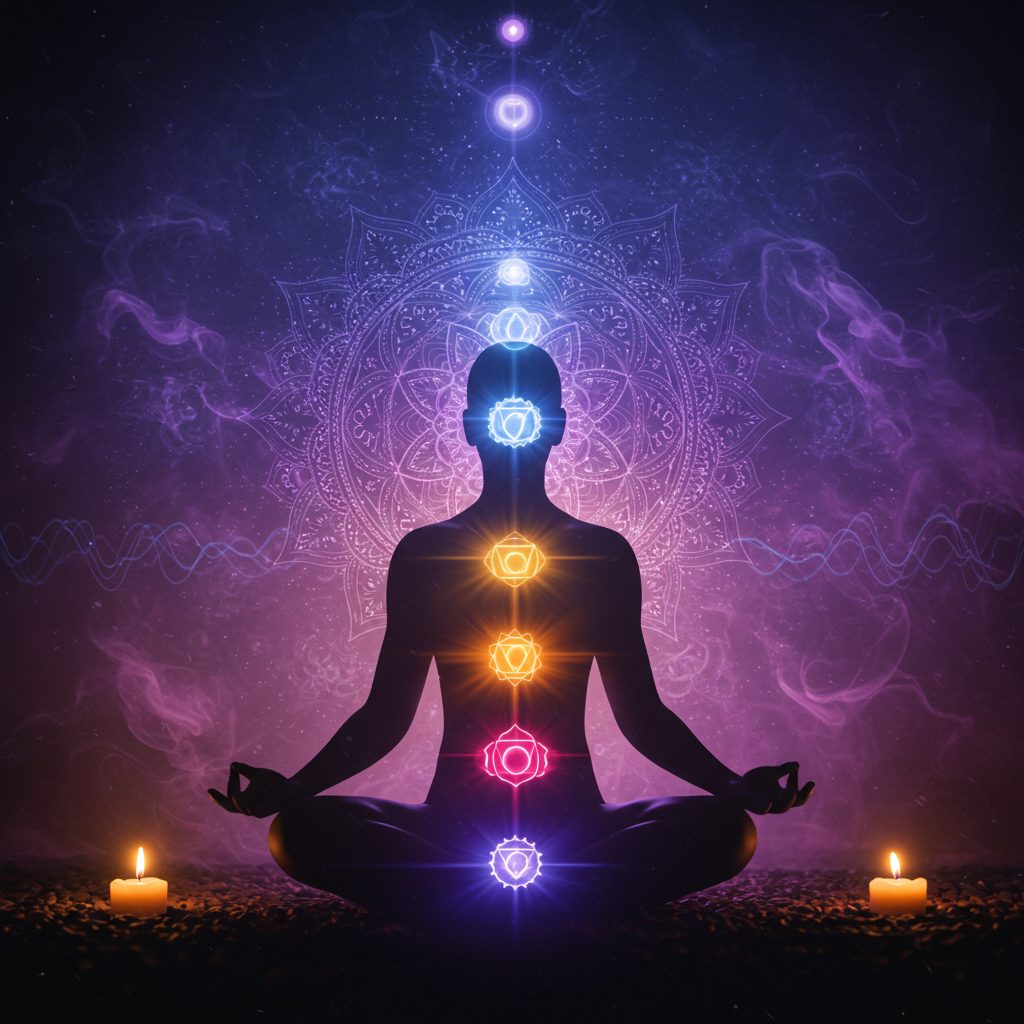
Chakra Alignment
Breathe and tune into each of the seven chakras with sound and colour.
Try it →Safety: Breathwork is generally safe, but stop if you feel dizzy, tingly or anxious and return to normal breathing. Never practise breath holds or energising breath while driving, in water, or standing where you could fall. If you are pregnant, or have a heart condition, high blood pressure, epilepsy, panic disorder or a respiratory condition, skip Lesson 7 and the breath holds and check with your doctor first. This course is education, not medical treatment.