
Breathwork Foundations
Seven breathing techniques for calm, focus, sleep and energy — with a guided pacer in every lesson
7 lessons · about 75 minutes of reading · free, no signup
Many breathwork programmes centre on one signature method. This course takes a toolkit approach instead, because different breathing patterns do different jobs: some calm you in under a minute, some sharpen focus, some help you fall asleep, some wake you up. It teaches seven, explains when to use each, and gives you a guided pacer on every lesson so you can practise right on the page.
It's built to be used for months, not once. The Control Pause Tracker gives you a simple weekly measure of how your everyday breathing is changing, and each lesson shows you how to deepen the practice when you come back to it. By the end you'll have a personal breath toolkit: one for stress, one for focus, one for sleep, and one daily practice.
What You Will Be Able To Do
- ✦Calm a stress spike in about a minute with the physiological sigh
- ✦Steady your focus before pressure moments with box breathing
- ✦Build a 10-minute daily coherent breathing habit for long-term calm
- ✦Use 4-7-8 breathing to wind down for sleep
- ✦Balance your mind with alternate nostril breathing (nadi shodhana)
- ✦Wake yourself up safely with energising breath — and know when not to
- ✦Measure your progress weekly with the control pause
The Lessons
- 1How Breath Changes Your StateNose, diaphragm, slow exhale — and your baseline reading · 12 min→
- 2The Physiological SighThe fastest way to calm down in real time · 9 min→
- 3Box BreathingSteady focus under pressure · 9 min→
- 4Coherent BreathingThe 10-minute daily practice for a calmer baseline · 11 min→
- 54-7-8 Breathing For SleepWinding down a busy mind at night · 9 min→
- 6Alternate Nostril BreathingNadi shodhana — the balancing breath of yoga · 11 min→
- 7Energising BreathKapalabhati and safe breath holds — waking up on purpose · 12 min→
Course tool · private, saved on this device
Control Pause Tracker
- Sit quietly for a minute, breathing normally through your nose.
- After a normal, relaxed exhale, gently pinch your nose and press Start.
- Press Stop at the first clear urge to breathe (not the point you can't hold any more).
- Your first breath afterwards should be calm. If you gasp, you held too long.
0s
Free Apps To Practise With
Everything here is free, with no signup.

Breathwork Timer
A full-screen guided breathing timer with preset patterns. Keep it open for your daily practice.
Open the timer →
Meditation Timer
A calm timer with gentle bells for sitting after your breathwork.
Start a sit →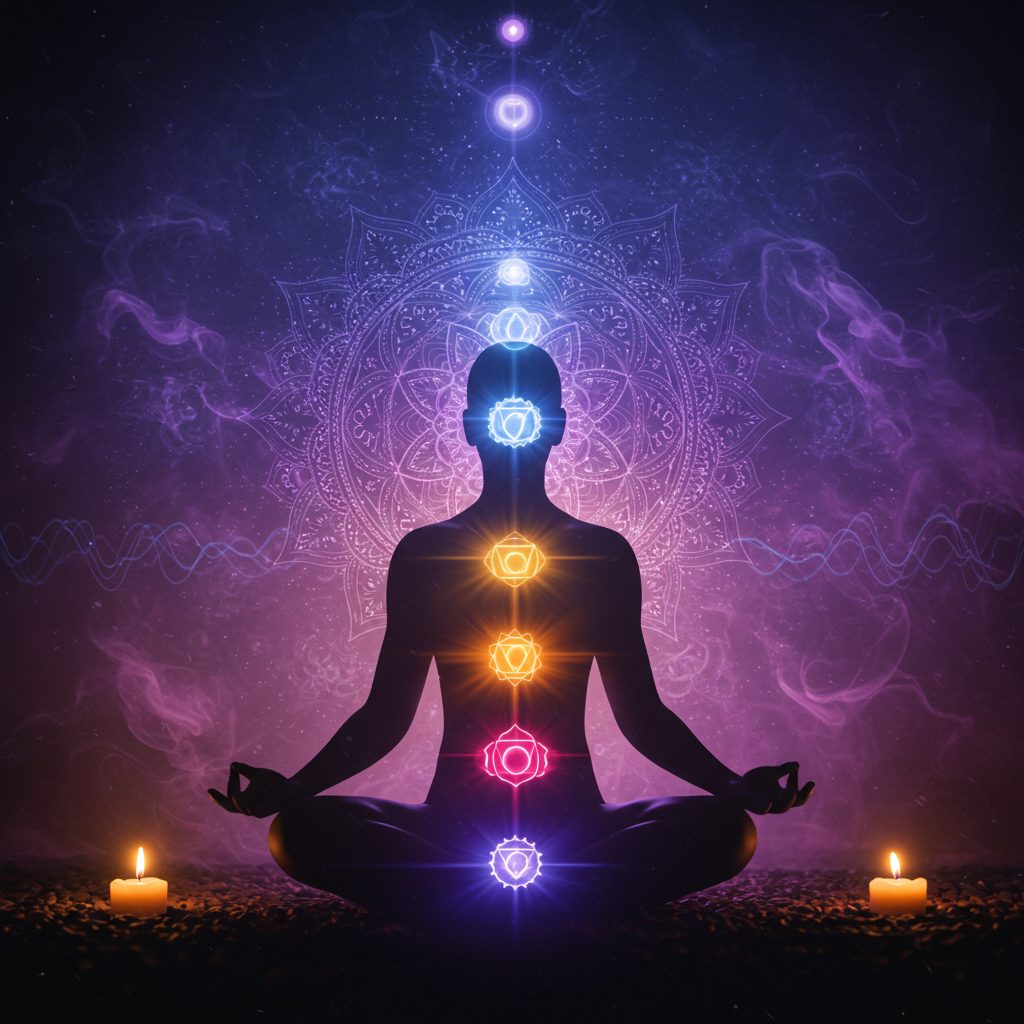
Chakra Alignment
Breathe and tune into each of the seven chakras with sound and colour.
Try it →How To Use This Course Again And Again
- Take your first control pause reading today, before Lesson 1. That's your baseline.
- Do one lesson a day for a week. Use the pacer on the page each time.
- Then keep one daily practice — coherent breathing, 10 minutes — and use the others as tools when you need them.
- Re-measure your control pause once a week, same time of day. Re-read Lesson 1 every month.
- Every few months, start a new round and walk all seven lessons again. The pacer settings stay the same; you won't.
Safety: Breathwork is generally safe, but stop if you feel dizzy, tingly or anxious and return to normal breathing. Never practise breath holds or energising breath while driving, in water, or standing where you could fall. If you are pregnant, or have a heart condition, high blood pressure, epilepsy, panic disorder or a respiratory condition, skip Lesson 7 and the breath holds and check with your doctor first. This course is education, not medical treatment.
Frequently Asked Questions
Is this breathwork course free?
Yes. All seven lessons, the guided pacers, quizzes and the Control Pause Tracker are free with no signup. Progress is saved privately in your browser.
Which breathing technique is best for anxiety?
For a fast reset in the moment, the physiological sigh (Lesson 2): two inhales through the nose and a long exhale. For lowering baseline anxiety over weeks, daily coherent breathing at around five to six breaths a minute (Lesson 4) is the one to build a habit around. Both lean on a long, slow exhale, which is the common thread.
How long until breathwork makes a difference?
The calming techniques work within a minute or two. Longer-term changes — a calmer baseline, better sleep, a higher control pause — usually show up after two to four weeks of daily practice. Measure your control pause weekly to see it for yourself.
What is the control pause?
The control pause is a gentle breath-hold after a normal exhale, timed until the first urge to breathe. It comes from the Buteyko method and is used as a rough indicator of everyday breathing efficiency. It's not a medical test, but tracked weekly it's a useful personal progress marker.
Is breathwork safe?
The slow, calming techniques in Lessons 1 to 6 are gentle and suitable for most people. Energising breath and breath holds (Lesson 7) are stronger and not suitable for everyone — read the safety note on every page and check with your doctor if you have any health condition.
Join the Tribe
Sacred teachings. Delivered.
Oracle wisdom, shamanic guides, dreamwork practices and new teachings — sent directly to you. No noise. Only medicine.