The mantra
ਨਿਰਭਉ ਨਿਰਵੈਰੁ
Nirbhau Nirvair
nirbhau niravairu
Without fear, without hate.
ਅਕਾਲ ਮੂਰਤਿ
Akaal Moorat
akāl mūrati
A form beyond time, which never dies.

Protection · Mantra
Lyrics · Meaning · Audio
“Without fear, without hate, a form beyond death.” Three qualities of the Divine from Guru Nanak's Mul Mantar, chanted on their own to grow the same qualities in us.
Words from Guru Nanak's Mul Mantar (Guru Granth Sahib, Ang 1), chanted as a mantra in Kundalini yoga
Listen
Nirbhau Nirvair Akal Moorat
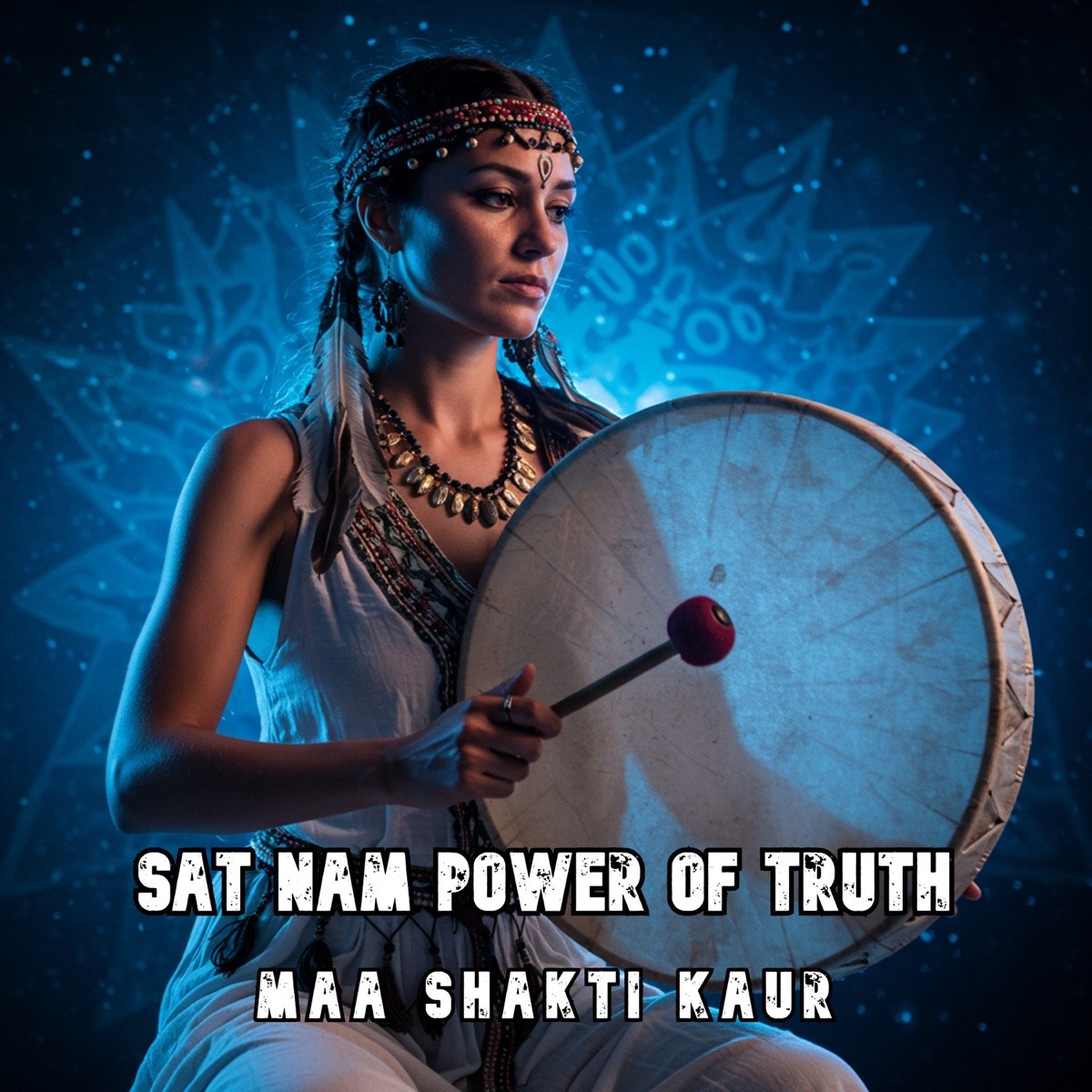
Maa Shakti Kaur · Sat Nam Power of Truth
Each line shows an easy way to say it, with its English meaning. Turn on the Gurmukhi, the exact pronunciation or the word-by-word meaning whenever you want to go deeper.
ਨਿਰਭਉ ਨਿਰਵੈਰੁ
Nirbhau Nirvair
nirbhau niravairu
Without fear, without hate.
ਅਕਾਲ ਮੂਰਤਿ
Akaal Moorat
akāl mūrati
A form beyond time, which never dies.
These words come from the heart of the Mul Mantar, Guru Nanak's description of the Divine at the start of the Guru Granth Sahib: nirbhau, without fear; nirvair, without hate; akaal moorat, a form beyond death.
Chanted on their own, as in the Kundalini yoga tradition, they become a practice of becoming what we praise. The idea is simple: fear and hatred grow from each other, and a mind that rests in the deathless loses its reason for both.
It is a mantra for courage, especially when facing conflict, threat or a person you find hard to forgive.
When to chant
How many times
Chant for 11 minutes.
Sit tall, chest open, hands resting on the knees.
Chant ‘Nirbhau’ and feel fear loosen in the belly.
Chant ‘Nirvair’ and feel the heart soften.
Chant ‘Akaal Moorat’ and rest in what cannot be harmed. End in silence.
The sounds that trip people up most in this mantra, and how to say them.
nirbhau
nir-bha-o — three soft beats, not ‘nir-bow’.
niravair
nir-vair — ‘vair’ rhymes with ‘fair’.
mūrati
moo-rat — the final ‘i’ is barely sounded.
What does Nirbhau Nirvair mean?
Nirbhau means without fear and nirvair means without hate. Both are qualities of the Divine in Guru Nanak's Mul Mantar.
Where do these words come from?
From the Mul Mantar, the opening of the Guru Granth Sahib (Ang 1). Kundalini yoga chants this part on its own.
Why chant fear and hatred together?
Because they feed each other. The mantra asks the mind to rest in the deathless, where neither has a reason to grow.